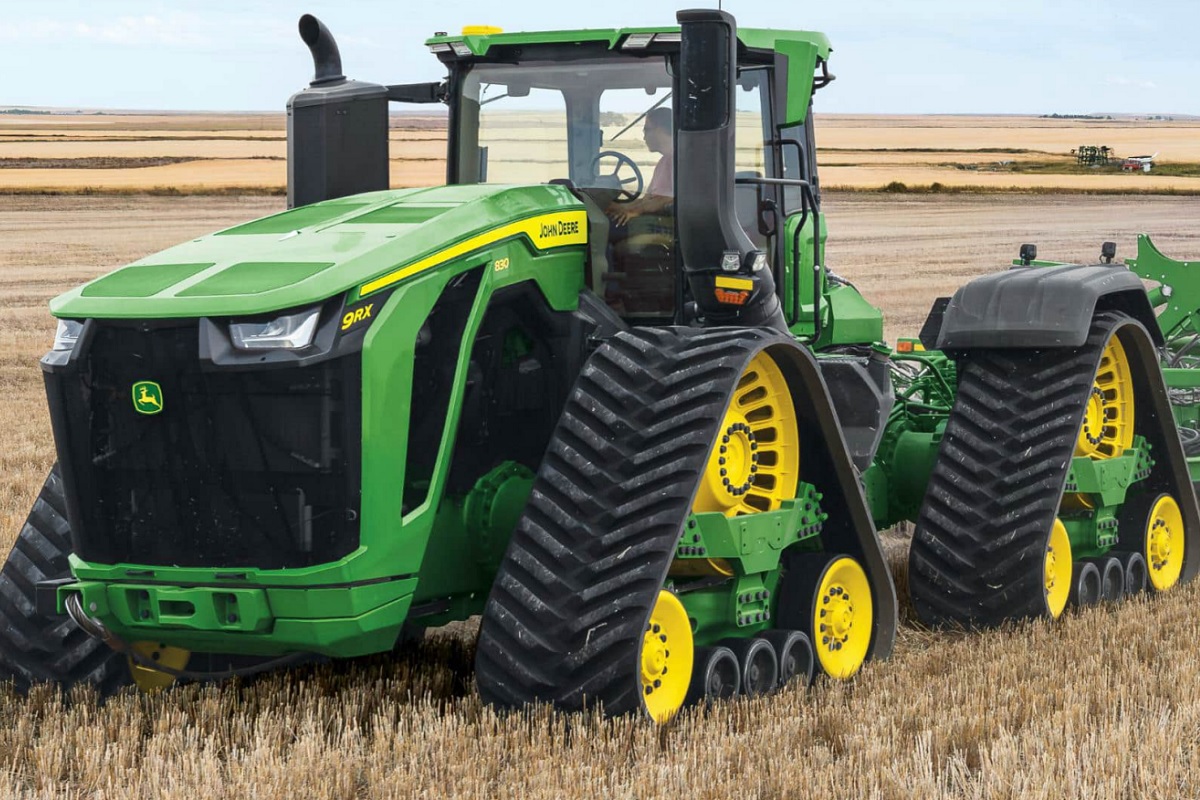
Farming has always relied on machines to automate drudgery and save time. Slowly over the years, tools have improved — and that has allowed farmers to grow more food with less effort. Today, we are at the cusp of another major shift in agriculture. New technology is changing the way farm machines are built and used. There is little doubt that the future is electric and self-working with minimal human control.
Why Farming Machines Are Changing
Most traditional farming machines are diesel-fueled. Diesel is costly, and its price goes up year after year. This fuel is also burned with smoke, pollution that damages the environment and human health. Farmers are now under pressure not only to conserve nature, but also to cut daily costs. Climate change has introduced more challenges, including erratic weather and soil issues.
Labor shortages are another big driver of change. In villages, many young are traveling far to find work in cities. During intense periods of farming, we find it tough to be able to hire bodies.” Smart machines ease this problem by working faster. With fewer people, more land can still be managed well and on time.
Electric Power Leading the Way
Electric farm equipment is capturing the world’s imagination. They run on batteries, not diesel. The crux of the matter, no dangerous gases are emitted into our atmosphere. But they also are significantly quieter, contributing to a more peaceful environment on farms and in the surrounding towns.
Lower system operation cost is one of the most significant benefits. Electricity is typically cheaper than fuel, particularly when that electricity is derived from solar energy. Electric motors have also lower speed and need to be maintained less as they have fewer moving parts. This results in lower maintenance and downtime during important peasantry months.
We’re getting better battery tech every year. New batteries also tend to be faster at charging and longer lasting. Charging stations are beginning to appear in remote areas, making electric farming more feasible. As tech progresses, so will these machines — they’ll be more powerful and trustworthy, and easier to use in everyday work.
How Autonomous Machines Work
Machines that operate of their own volition seem to be the mental property at issue. They employ GPS systems, sensors, cameras and smart software to make sense of the field. With such technology, they can plow the land, sow seeds, spray crops and harvest produce without human hands directly at the controls.
Farmers can then oversee these machines via a phone or computer. This saves time and helps them to concentrate on planning and decision making. And these machines can also labor around the clock, of great assistance in short planting or harvesting windows.
Accuracy improves with autonomous systems. Seeds are sown evenly, water is used judiciously and fertilizers are applied as per requirement. This saves waste and hence helps the growth of healthier crops as well as keeping soil healthy.
Key Benefits for Farmers
The farming machines of the future bring a long list of clear benefits:
Lower fuel and labor costs
Reduced air and noise pollution
Faster and more precise operations
Less physical strain on farmers
Planning and organizational time.
These are benefits that assist growers to minimize water usage and be good stewards of their land.
Challenges That Still Exist
Although there are many advantages some issues still exist. Electric machines rely on charging points, which aren’t everywhere. Battery replacement can even be expensive. As remote systems, they rely on connection stability which is not always available in hinterlands.
Many farmers also require training to feel confident adopting advanced technology. The high cost of equipment was also a challenge, particularly for smallholder farmers. But prices are likely to decline as the technology grows more widespread. Government support, subsidies and rental services could help lower the cost of these machines.
The Road Ahead
The future of agriculture is increasingly smart and sustainable. One modern tractor with electrical power and driverless capabilities can now do what used to take many men. These machines will obviously become cheaper and easier to use as innovation progresses.
Modern farming can transform rural life, as well. Young people may begin to look at agriculture as an occupation that requires skills again. New jobs will develop — including machine operators, technicians and data managers. Cleaner machines also lessen the pulmonary and auditory effects of pollution. Families have safer work conditions and reliable income, which all contribute to stronger, more secure rural communities.
Conclusion
Agriculture’s next chapter will be Electric and automated too. They represent cleaner energy, smarter ways of doing work and higher efficiency. Yes, there are obstacles but the long-term stakes are too high. In the next few decades, these techniques will allow farmers to grow more with less effort and steer agriculture on a greener, more equitable and sustainable path.