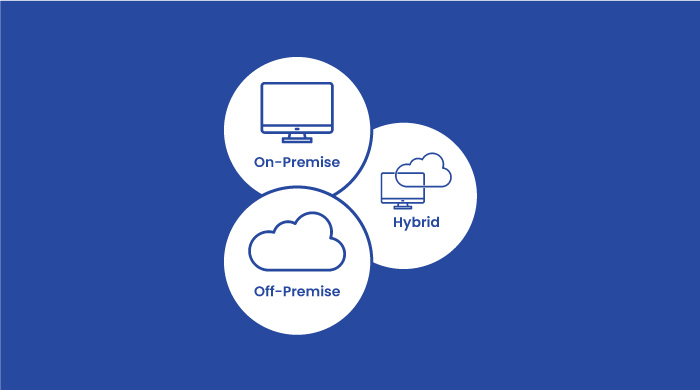
Hybrid IT environments have become the norm for many organizations. This model brings an assortment of benefits to the table, ranging from flexibility to scalability. However, the change in structure – where on-premises infrastructure is combined with public cloud services and SaaS platforms – also introduces significant visibility challenges.
Disparate systems. Fragmented tooling. Inconsistent logging. All these elements can make it difficult to know what’s happening across the environment at any given time. That’s why knowing how to improve visibility is imperative for reducing risk and responding effectively to modern threats.
Centralize Logging and Telemetry
When discussing the most effective ways to improve visibility, at the top of the list is to consolidate logs and telemetry from across the hybrid environment. The following applications all generate valuable data:
- Endpoints
- Network devices
- Identity providers
- Cloud workloads
- SaaS applications
The problem is that this data is usually stored in silos. The good news: by centralizing this information, it allows security teams to correlate events and spot patterns that would otherwise go unnoticed. Consistent log retention and normalization also make investigations faster and more reliable.
Treat Identity as a Core Visibility Signal
In hybrid environments, identity typically supplies the most consistent view of user activity.
Employees authenticate to systems from multiple locations and devices, making identity data a key source of insight. When you monitor the likes of privilege changes and access patterns, you learn how to detect suspicious behavior. That behavior could be impossible travel, for instance, or unexpected permission escalation.
Strong identity visibility also supports wider security operations by linking user activity to endpoint and cloud events.
Use Security Operations to Turn Data into Action
Collecting data alone doesn’t guarantee visibility. Organizations require structured processes to analyze, validate, and respond to what they see. Security operations offer this structure by combining three key aspects: detection, investigation, and response workflows.
Operationalizing monitoring data allows security teams to prioritize meaningful signals over noise. This extends to reducing alert fatigue and focusing on real threats. It’s an approach that also supports continuous improvements, as insights from investigations can be used to refine detections and close visibility gaps.
Integrate Endpoint, Network, and Cloud Monitoring
Visibility breaks down when monitoring tools operate independently. Due to this, hybrid environments demand integrated monitoring across endpoints, networks, and cloud platforms to gain meaningful context.
For instance, an isolated endpoint alert might seem low risk until it’s correlated with unusual network traffic or cloud account activity. Security operations benefit from this integration by enabling more accurate detection and faster response, particularly when attackers move laterally between environments.
Validate Visibility Through Continuous Testing
Rather than being assumed, visibility should be regularly tested. From red teaming to scenario-based exercises, you should take the necessary steps to learn if your company’s monitoring capabilities are actually detecting malicious behavior.
Atomic testing and simulated attack techniques can also reveal blind spots in logging and alerting. These validation activities mean your visibility extends beyond configuration and into real-world effectiveness. This is particularly the case – and particularly important – in complex hybrid environments.